March 21, 2025
Introduction: Why Meal Prep Matters After Bariatric Surgery
After weight loss surgery, food isn't just fuel—it's part of your recovery and long-term success. Many patients struggle with portion control, nutrition balance, and avoiding bad habitspost-surgery.
Without proper planning, it's easy to fall back into unhealthy patterns, which can slow progress and even lead to complications.
Meal prepping makes healthy eating easier. It saves time, reduces stress, and helps prevent impulsive food choices that may not align with your new lifestyle.
Having meals ready to go ensures you're making the best choices for your body without the temptation of fast food or overly processed meals.
At Beltline Health, we've seen how structured meal prep helps patients stay on track. This guide will teach you how to prep meals that support your new lifestyle, making weight loss both manageable and enjoyable.
The Golden Rules of Meal Prep After Bariatric Surgery
Meal prep after surgery isn't just about cooking in bulk. It's about planning meals that work for your new stomach size and digestion.
By following these key guidelines, you can create meals that are satisfying, nutritious, and easy to digest.
1. Portion Control Is Everything- Your stomach is smaller, and eating too much at once can cause discomfort or complications like dumping syndrome.
Pre-measured portions help prevent overeating. Use a food scale or portioned meal containersto keep servings appropriate.
2. Protein First- Protein is crucial for healing, maintaining muscle mass, and preventing hair loss after surgery.
3. Aim for 60-80g of protein daily, choosing lean sources like chicken, fish, eggs, and plant-based proteins.
4. Hydration & Nutrient Absorption- Avoid drinking 30 minutes before or after mealsto prevent issues with digestion.
Sipping throughout the day helps maintain hydration without interfering with nutrient absorption.
5. Plan for Texture Changes- In the first few weeks after surgery, soft and puréed foods will be necessary.
As you progress, introduce firmer textures gradually, paying attention to how your body responds.
6. Eat Small, Frequent Meals- 4-6 small meals per daykeep blood sugar stable, prevent overeating, and ensure you meet your nutritional needs without feeling overly full.
From our experience, patients who plan meals in advance tend to have fewer cravings, better weight loss results, and an easier transition into their new lifestyle.
Step-by-Step Guide to Easy & Sustainable Meal Prep
Meal prep doesn't have to be complicated. By following a structured approach, you can make the process efficient, enjoyable, and sustainable. Here's how to set yourself up for success:
- Plan Your Weekly Menu
- Choose protein-rich meals with balanced nutrients. Each meal should have a protein source, a fiber-rich vegetable, and a small serving of complex carbs.
- Keep it simple: rotate 2-3 meal options per weekto reduce decision fatigue and make shopping easier.
- Avoid overly restrictive diets—variety is key to preventing food boredom and staying committed.
- Write down your weekly menu to keep yourself accountable and stay on track.
- Shop Smart
- Stick to lean proteins, vegetables, and complex carbs. Avoid highly processed foods that can trigger cravings.
- Look for pre-cut vegetables and pre-cooked proteinsto save time when meal prepping.
- Invest in high-quality storage containers that allow for portioning out meals easily.
- Consider using grocery delivery or pick-up services to avoid impulse buying at the store.
- Cook in Batches
- Prepare enough for 3-4 daysat a time so food stays fresh and doesn't go to waste.
- Use slow cookers, sheet pans, and pressure cookersfor easy bulk cooking that requires minimal effort.
- Consider making freezer-friendly mealsfor days when you don't have time to cook.
- Try cooking extra portions of your favorite meals and freezing individual servings.
- Portion & Store Meals
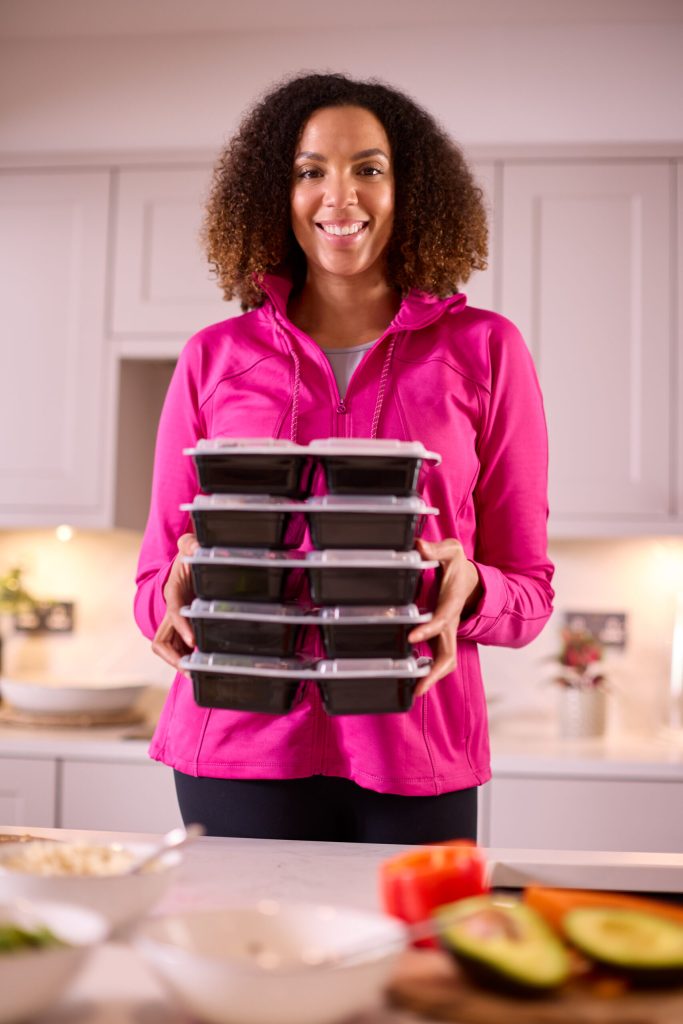
- Use small containersto control portions and avoid overeating.
- Label meals with dates so you consume them while they're fresh.
- Store some meals in the freezer for easy accesswhen you're in a rush.
- Keep grab-and-go snacks handy, such as boiled eggs or Greek yogurt, for quick protein boosts.
- Reheat & Enjoy
- Make sure meals are soft or easy to chew, especially in the early post-op phases.
- If a meal is too dry, add low-sodium broth or a healthy sauceto help with digestion.
- Experiment with different heating methods (microwave, stovetop, or air fryer) to keep meals flavorful.
Pro Tip:Invest in small storage containersto help with portion control!
By taking the time to prepare meals in advance, patients are less likely to make impulsive food choices or snack excessively throughout the day.
This mindful approach to eating helps individuals stay on track with their dietary goals, ensuring they consume the appropriate amount of calories and protein necessary for optimal healing and weight management.
Overcoming Common Meal Prep Challenges
Meal prep sounds great in theory, but many people struggle with common barriers. Here's how to tackle them:
Feeling Overwhelmed? Start Small!- Begin with just one meal per dayand gradually expand as you gain confidence. You don't need to have every meal planned perfectly—small progress adds up over time.
Struggling with Texture?- Stick to softer foods first, then gradually introduce firmer textures as you progress through your recovery. If a food doesn't sit well, don't panic—give it time and try again later.
No Time to Cook?- Pre-cut veggies, pre-cooked proteins, and batch cooking can save time. Also, prepping ingredients (instead of full meals) can speed up cooking without overwhelming you.
Tired of Bland Meals?- Use fresh herbs and spicesto add flavor without adding unnecessary calories. Try adding lemon juice, garlic, or low-sodium seasonings to keep meals tasty.
Eating the Same Thing Over and Over?- Rotate recipes every few weeks to keep things interesting. Look for bariatric-friendly cookbooks or meal plans for inspiration.
Most of our patients start meal prep feeling overwhelmed, but once they get into a rhythm, they realize how much easier it makes their daily life.
Conclusion: Make Meal Prep Work for You
Meal prep makes life easier and keeps you on track. By planning ahead, keeping portions in check, and focusing on nutrient-dense foods, you can make post-surgery eating stress-free. Start small, keep it simple, and enjoy the process.
Meal prepping isn't about being perfect. It's about making healthy choices easier so you can focus on your weight loss journey without feeling stressed about food.
Once you get into the habit, you'll find that meal prepping can save you time, money, and effort while keeping you on track toward your goals.
Read More: Can You Get Pregnant After Weight Loss Surgery? What Women Need to Know
FAQs (Frequently Asked Questions)
Why meal prep matters after bariatric surgery?
After weight loss surgery, food isn't just fuel—it's part of your recovery and long-term success.
What are the golden rules of meal prep after bariatric surgery?
Here are the golden rules to follow:
1. Portion control is everything
2. Protein first
3. Aim for 60-80g of protein daily.
4.Hydration & nutrient absorption
5. Plan for texture changes
6. Eat small, frequent meals
How to sustain meal prepping?
- Plan your weekly menu.
- Shop smart
- Cook in batches
- Portion & store meals
- Reheat & enjoy